

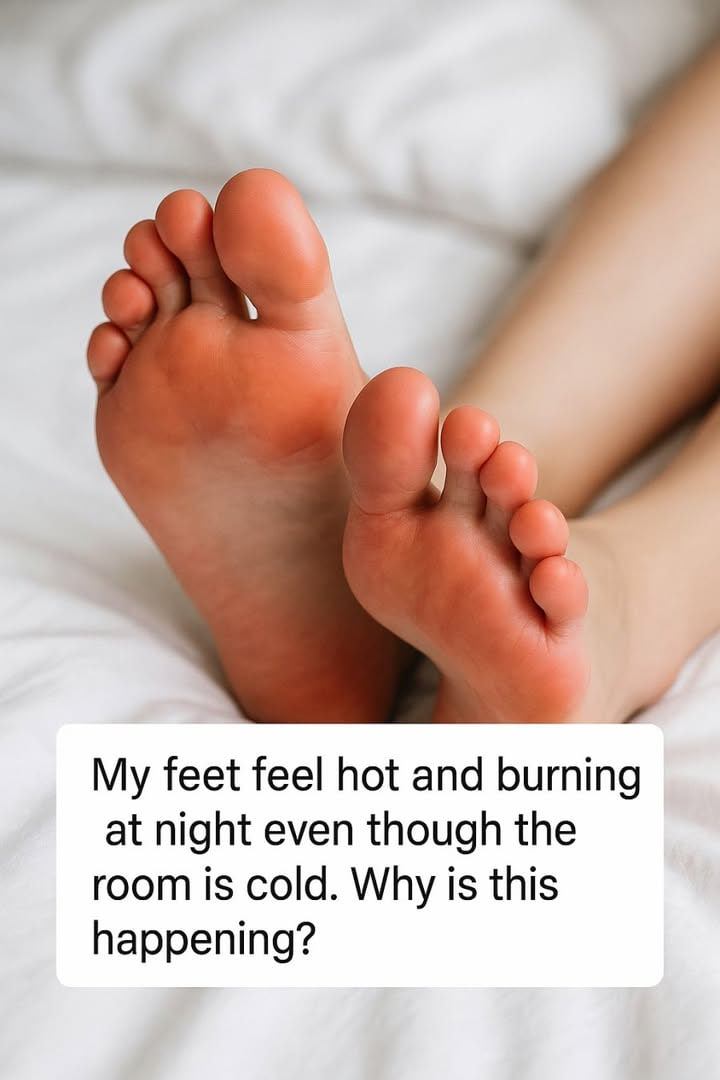
room is cool. This discomfort can range from a mild annoyance to severe pain that disrupts sleep and quality of life. Understanding why this happens is the first step toward finding relief.
Burning feet syndrome, medically known as Grierson-Gopalan syndrome, can result from a variety of underlying causes. Although the room temperature may be cold, internal factors affecting the nerves or circulation can create a strong sensation of heat in the feet.
1. Why Your Feet Can Burn Even in a Cold Room
The sensation of burning feet at night is often linked to changes in nerve function or blood flow. Even when the environment is cool, internal body processes may trigger feelings of heat, tingling, or pain.
Temperature perception is controlled by the nervous system. When nerve signals are disrupted or damaged, the brain may interpret those signals as burning or warmth even when the feet are not actually hot.
2. Peripheral Neuropathy: The Most Common Cause
Peripheral neuropathy is one of the leading causes of burning feet. This condition involves damage to the peripheral nerves, which carry signals between the brain, spinal cord, and the rest of the body.
Common causes include:
Diabetes
Infections
Alcohol misuse
Exposure to toxins
Certain medications
Symptoms often include:
Burning sensations
Tingling
Numbness
Sharp or stabbing pain
These symptoms frequently worsen at night.
3. Diabetes and Prediabetes
Type 2 Diabetes and prediabetes are major contributors to nerve damage in the feet. High blood sugar levels can gradually injure nerve fibers, especially in the legs and feet.
This condition, called diabetic neuropathy, often becomes more noticeable at night when there are fewer distractions. Proper blood sugar control can help slow progression and reduce symptoms.
4. Vitamin Deficiencies and Poor Nutrition
Deficiencies in certain vitamins — especially B12, B6, and folate — can damage nerves and trigger burning feet.
These nutrients are essential for healthy nerve function. Poor diet, digestive disorders, or absorption problems may contribute to deficiency-related neuropathy.
A balanced diet and medically supervised supplementation may help improve symptoms.
5. Alcohol, Toxins, and Medication Side Effects
Long-term alcohol use can cause alcoholic neuropathy, a condition in which nerves become damaged from chronic alcohol exposure.
Other possible causes include:
Heavy metals
Industrial toxins
Certain chemotherapy drugs
Some medications with nerve-related side effects
If symptoms begin after starting a medication, consult a healthcare professional before making any changes.
6. Circulation Problems
Poor circulation is not always the direct cause of burning feet, but it can worsen nerve problems.
Conditions such as Peripheral artery disease may reduce blood flow to the feet, limiting oxygen and nutrient delivery to nerves.
Improving circulation through exercise, smoking cessation, and medical treatment may help reduce symptoms.
7. Nerve Entrapment and Spinal Problems
Compressed nerves can also produce burning sensations.
Examples include:
Tarsal tunnel syndrome
Herniated discs in the lower back
Sciatica-related nerve compression
Because nerves travel from the spine to the feet, problems in the back can create pain or burning sensations in the feet.
8. Infections and Autoimmune Diseases
Certain infections and autoimmune conditions can damage nerves.
Examples include:
Lyme disease
HIV
Lupus
Rheumatoid arthritis
Treating the underlying illness may help reduce burning sensations.
9. Anxiety, Stress, and Sleep Position
Stress and anxiety can heighten nerve sensitivity, making burning sensations feel worse.
In addition, certain sleeping positions may:
Put pressure on nerves
Reduce circulation temporarily
Increase discomfort during the night
Stress management, relaxation techniques, and changing sleep posture may help.
10. Viral Remedies and Internet “Hacks”
Social media often promotes remedies such as:
Apple cider vinegar soaks
Essential oils
Ice baths
Some people report temporary relief, but scientific evidence supporting these methods is limited.
Evidence-based treatments are generally safer and more reliable.
11. At-Home Relief Strategies Supported by Research
Helpful self-care measures may include:
Cool (not ice-cold) foot baths
Wearing breathable socks
Properly fitted shoes
Regular physical activity
Weight management
Good foot hygiene
Topical treatments such as capsaicin cream may also help reduce nerve pain in some individuals.
12. Warning Signs That Require Medical Attention
Seek medical care promptly if burning feet are accompanied by:
Sudden severe pain
Weakness
Loss of sensation
Difficulty walking
Fever
Swelling
Skin discoloration
Rapidly worsening symptoms
These signs may indicate a more serious underlying condition.
13. How Doctors Diagnose Burning Feet
Diagnosis usually begins with:
Medical history
Physical examination
Neurological assessment
Doctors may also order:
Blood tests
Nerve conduction studies
Electromyography (EMG)
MRI or ultrasound imaging
These tests help identify nerve damage or underlying medical conditions.
14. Long-Term Treatment and Prevention
Long-term management often combines:
Medications for nerve pain
Blood sugar control
Nutritional support
Exercise
Reduced alcohol intake
Smoking cessation
Common medications used for nerve pain may include anticonvulsants or certain antidepressants prescribed specifically for neuropathy.
Regular medical follow-up is important to monitor symptoms and protect long-term nerve health.
To see the full cooking instructions, go to the next page or click the Open button (>) and don't forget to SHARE it with your friends on Facebook.