

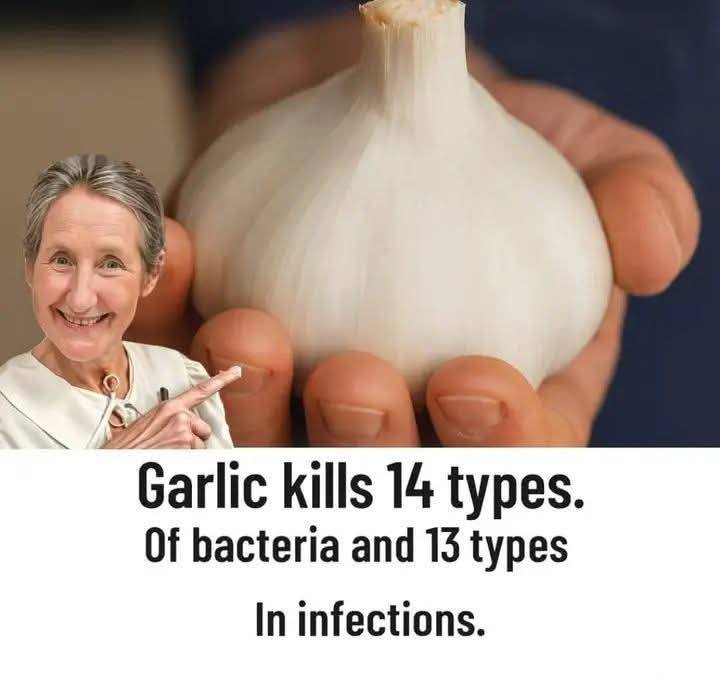
Garlic and Gram-Positive Bacteria
Gram-positive bacteria are commonly associated with skin, respiratory, and soft tissue infections.
Laboratory studies have examined garlic compounds against several important strains.
Staphylococcus aureus and MRSA
One of the most studied organisms is Staphylococcus aureus, including antibiotic-resistant strains such as MRSA.
Some laboratory research suggests garlic compounds may help reduce bacterial growth under controlled conditions.
This has made garlic an interesting topic in discussions surrounding antibiotic resistance research.
Streptococcus Species
Garlic compounds have also been studied against certain Streptococcus bacteria associated with:
- Strep throat
- Respiratory infections
- Other bacterial illnesses
Enterococcus faecalis
Researchers have additionally explored garlic’s effects on Enterococcus faecalis, a bacterium sometimes linked to hospital-associated infections.
Garlic and Gram-Negative Bacteria
Gram-negative bacteria are often harder to target because of their more complex outer membrane structure.
Despite this, garlic compounds have still shown interesting laboratory activity in some studies.
Escherichia coli (E. coli)
Garlic extracts and allicin have been studied against certain strains of E. coli, which are associated with:
- Foodborne illness
- Digestive infections
- Urinary tract infections
Salmonella typhi
Researchers have also examined garlic compounds against Salmonella typhi, the bacterium responsible for typhoid fever.
Pseudomonas aeruginosa
One particularly difficult bacterium studied in garlic research is Pseudomonas aeruginosa.
This organism is known for causing challenging infections in:
- Hospitals
- Chronic wounds
- People with weakened immune systems
Some laboratory findings suggest garlic compounds may show activity against this bacterium under controlled conditions.
Important Medical Reminder
Although garlic research is fascinating, laboratory results do not automatically mean garlic can replace antibiotics or cure infections in real-life medical situations.
Serious infections always require proper medical evaluation.
Anyone experiencing:
- Fever
- Persistent symptoms
- Worsening wounds
- Difficulty breathing
- Signs of infection
should seek professional healthcare advice.
Other Benefits of Garlic
Beyond antimicrobial research, garlic is also valued because it naturally contains:
- Antioxidants
- Sulfur compounds
- Trace minerals
- Plant nutrients
Garlic is commonly associated with:
- Heart health support
- Immune support
- Balanced nutrition
when included regularly in healthy diets.
Final Thoughts
Garlic remains one of the most scientifically interesting foods in the natural world.
Compounds like allicin continue attracting attention because of their potential antimicrobial and antioxidant properties observed in laboratory research.
While garlic should never replace proper medical treatment, it can absolutely remain part of a healthy balanced diet rich in flavorful, nutrient-dense foods.
Sometimes nature’s simplest ingredients still contain some of the most fascinating chemistry.
To see the full cooking instructions, go to the next page or click the Open button (>) and don't forget to SHARE it with your friends on Facebook.