
Red, Itchy, and Flaky Scalp During the Holidays: An Easy Guide
The holiday season is often packed with travel, celebrations, shopping, and endless responsibilities. With so much going on, self-care is usually pushed aside. During this busy time, many people suddenly notice scalp issues such as redness, itching, and flaking. Although seeing a doctor is always the best option, crowded holiday schedules can delay appointments. Until then, understanding the possible causes, simple home remedies, and warning signs can make the situation easier to manage.
Here’s a straightforward look at why a scalp may become red, itchy, and flaky—and what you can do before visiting a healthcare professional.
1. Why Scalp Problems May Appear Suddenly
Even people who have never dealt with scalp issues before can experience them during the holidays. Cold temperatures and indoor heating often dry out the skin, including the scalp. Stress from travel, finances, or social events can also make the skin more reactive.
Trying new shampoos, hair dyes, or styling products for holiday gatherings may irritate the scalp as well. Changes in sleep patterns, eating habits, or hormones can also play a role. Identifying possible triggers early may help reduce irritation and prevent symptoms from worsening.
2. Seborrheic Dermatitis: One of the Most Common Causes
One of the leading reasons for a red, flaky scalp is seborrheic dermatitis. Around 5% of people experience this condition, which is connected to an overgrowth of a natural yeast found on the skin.
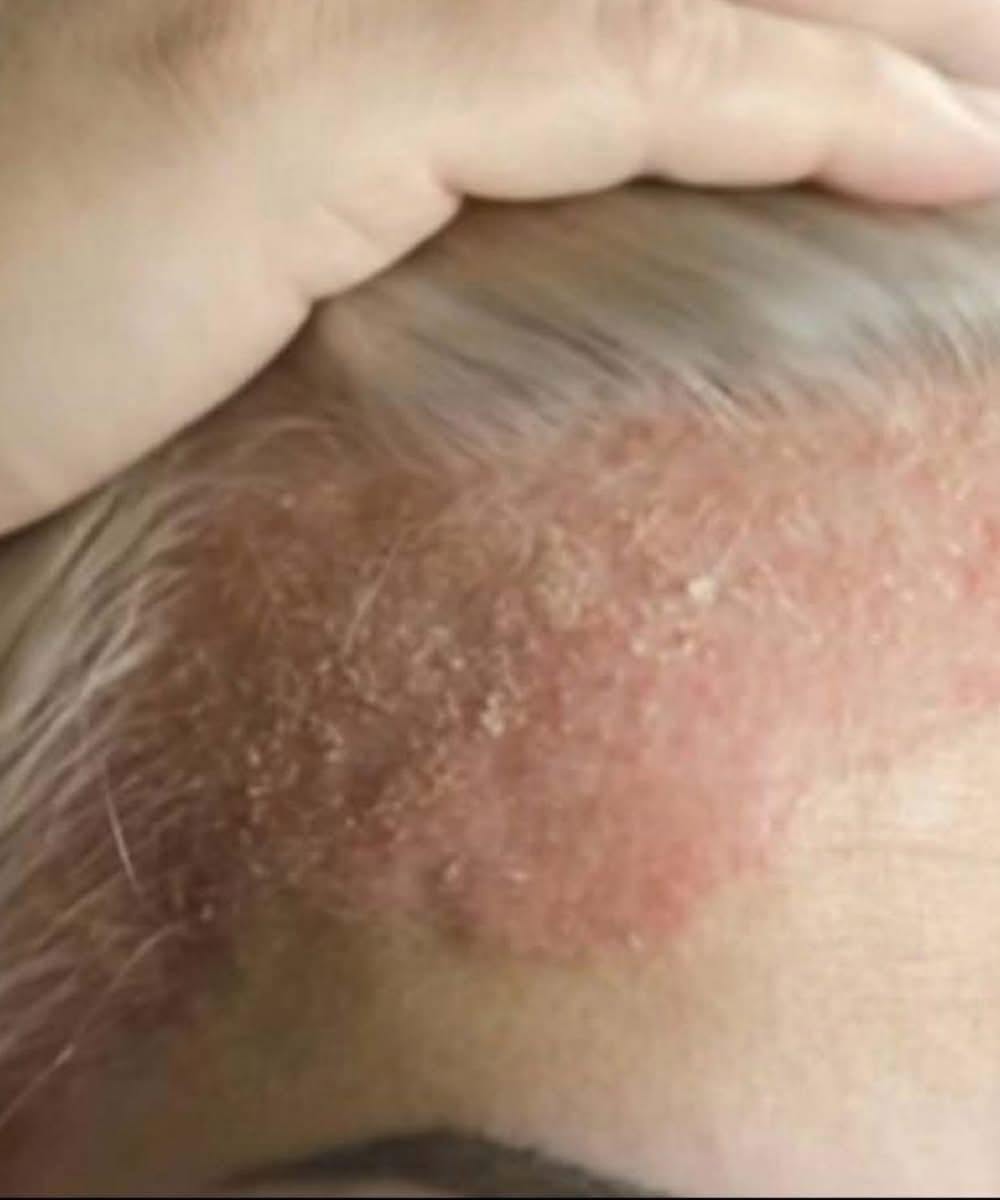
Typical symptoms include redness along with oily white or yellow flakes. While it mainly affects the scalp, it can also appear around the eyebrows, ears, and sides of the nose. Stress, colder weather, and hormone shifts often make flare-ups worse.
3. How Seborrheic Dermatitis Differs From Dandruff
Dandruff is usually a milder condition. It mainly causes small, dry white flakes with minimal or no redness.
Seborrheic dermatitis tends to be more intense, causing noticeable redness, itching, and larger greasy-looking flakes. In many cases, medicated treatments are needed instead of standard dandruff shampoos.
4. Could It Be Psoriasis?
Scalp psoriasis may resemble seborrheic dermatitis, but there are key differences. Psoriasis often creates thick, raised patches with clearly defined edges and silvery scales. These patches can extend beyond the hairline and may also appear on areas such as the elbows or knees.
Because psoriasis is a chronic immune-related condition, prescription treatment is often necessary. Severe or spreading symptoms should be examined by a dermatologist.
5. Eczema and the Scalp
Eczema can develop on the scalp as well. It commonly causes redness, flaking, and intense itching. Unlike seborrheic dermatitis, eczema is strongly associated with dry skin and itching severe enough to interfere with sleep.
This condition is frequently linked to allergies or sensitive skin. Gentle hair products, regular moisturizing, and avoiding triggers can help reduce discomfort.
6. Fungal Infections and Scalp Ringworm
A fungal infection called tinea capitis—also known as scalp ringworm—can create itchy, red, flaky patches and may even lead to hair loss. Despite its name, no worms are involved; the condition is caused by fungus.
Although more common in children, adults can also develop it. It spreads through close contact or shared items such as hats, pillows, and combs. Fortunately, antifungal medications are usually very effective when used correctly.
See more on the next page
To see the full cooking instructions, go to the next page or click the Open button (>) and don't forget to SHARE it with your friends on Facebook.